What you can eat with insulin resistance: protein, fiber, smart carbohydrates and good fats – explained clearly, without dieting and without restriction.
You eat “pretty healthy” – and yet the weight won't move, cravings keep coming and you feel tired after meals? Then it's worth looking at what your food does to your blood sugar and insulin.
With insulin resistance, your cells respond less effectively to insulin. Your body compensates by releasing more of it – and chronically high insulin can slow fat burning. The good news: what lands on your plate is one of the strongest levers you control yourself.
In this article I'll show you what really matters when eating with insulin resistance – no restrictions, no calorie counting, no dieting.
A Lifestyle, Not a Diet
Let me be direct: I don't work with diets. Diets built on heavy restriction lead most women to cravings, yo-yo effects and a slowed metabolism. And they do something to your mind: the feeling of constantly failing.
Instead, I work with three principles:
- Crowding out: You gradually add good things instead of cutting things out. The new slowly replaces the old – without any feeling of deprivation.
- Nutrients over calorie counting: Calories play a role, but not the only one. Foods deliver information that influences blood sugar, insulin, satiety, hormones and your gut. A colorful bowl and a fast-food burger with the same calories act completely differently in your body.
- Stability is the goal: We want to keep your blood sugar as calm as possible – without sharp spikes and crashes. That rollercoaster is exactly what triggers cravings and energy dips.
And very importantly: Don't starve yourself. Eating too little is stress for your body and can slow your metabolism further. Slow and sustainable weight loss beats fast and painful – always.
Protein With Every Meal
Protein is your satiety anchor. It keeps you full longer, stabilizes blood sugar and protects your muscles – and muscles matter for your metabolism and insulin sensitivity. Many women eat too little protein, especially in the morning.
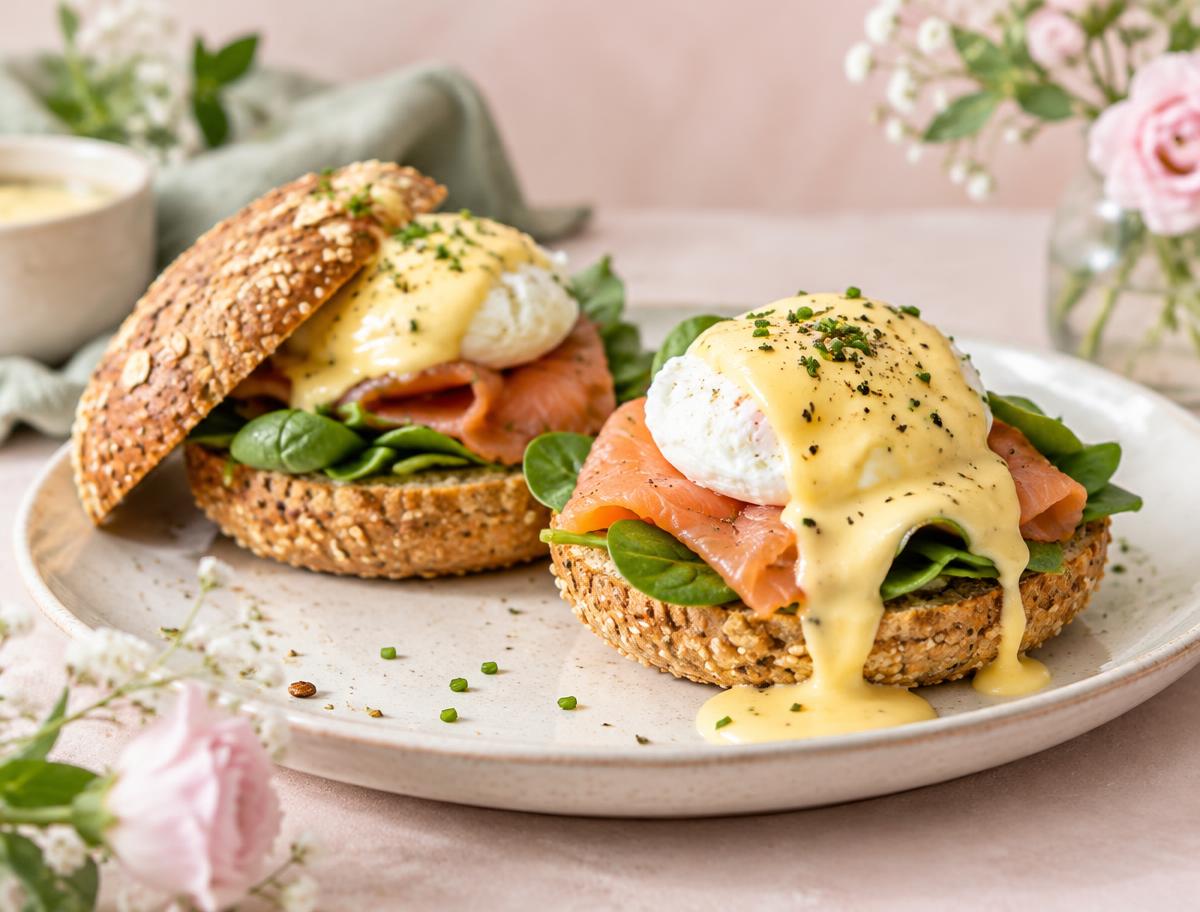
Research shows that a breakfast higher in protein and fiber leads to a calmer blood sugar and insulin response after eating (PubMed, 2017). Good sources: eggs, Greek yogurt, legumes, fish, poultry, cottage cheese, tofu.
Fiber and Vegetables: Volume on Your Plate
Fiber fills you up, flattens blood sugar spikes and feeds your gut bacteria. This produces short-chain fatty acids like butyrate, which can strengthen the gut wall and support blood sugar regulation. A study in women showed that a fiber-rich diet can improve insulin sensitivity (Diabetes Care, via PubMed).
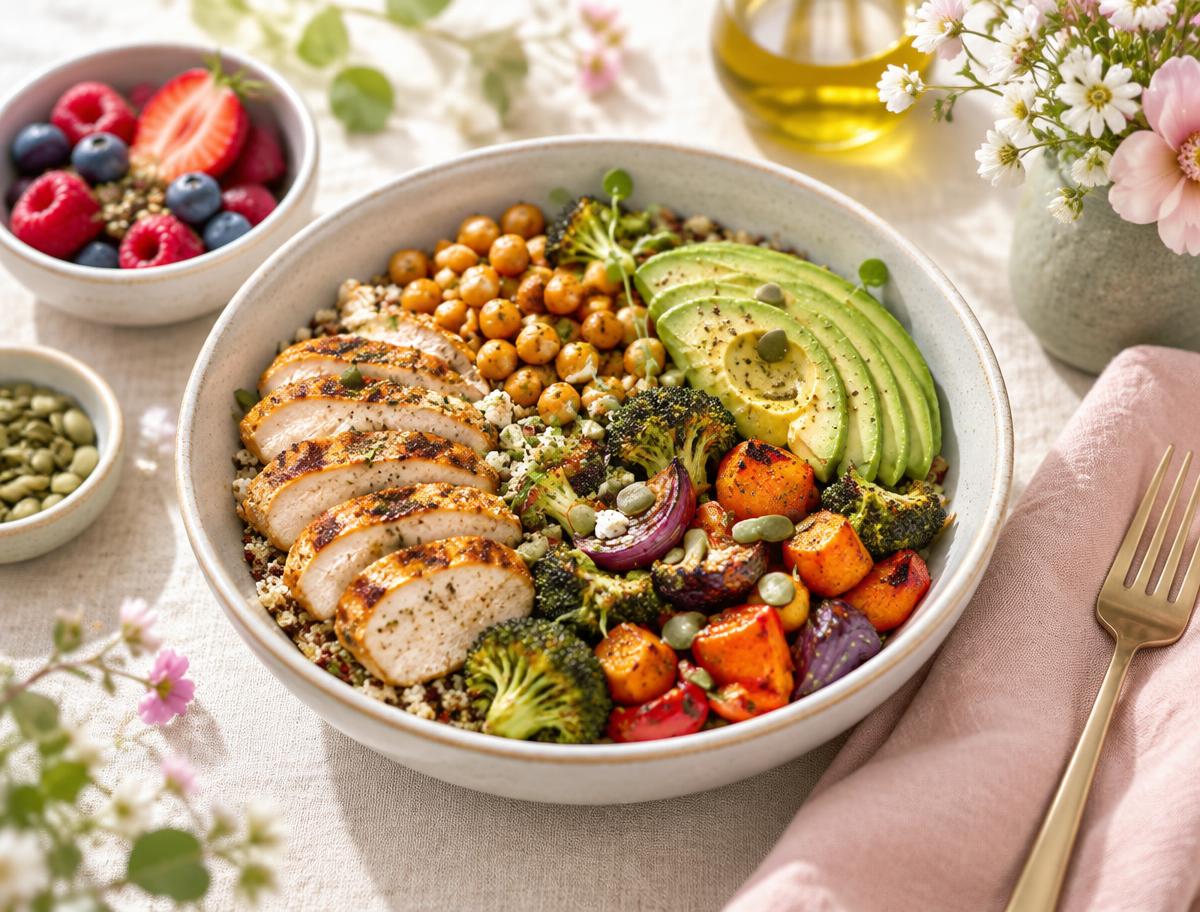
In practice: half your plate can be vegetables. That gives you volume and satiety without burdening your blood sugar.
Choose Carbs Wisely, Don't Demonize Them
Carbohydrates are not the enemy. Quality, processing, portion size and – crucially – the combination are what count.
- More often: legumes, oats, whole grains, vegetables and berries.
- Less often: white flour, sweets, juices and highly processed foods.
- Always combine: eat carbohydrates together with protein, fat and fiber – this noticeably slows the blood sugar rise.
The glycemic index and glycemic load give you orientation, but they are not rigid rules. A fascinating trick from research: cooled potatoes, rice or legumes contain more resistant starch – it is metabolized more slowly and keeps blood sugar and insulin flatter (PubMed, 2019, PubMed, 2015). Yesterday's potato salad is actually not a bad idea.
Good Fats – in the Right Amount
Olive oil, avocado, nuts, seeds and omega-3 sources like fatty fish, flaxseed and chia belong on your plate. The ratio of omega-6 to omega-3 matters – most of us eat far too much omega-6 (lots of sunflower oil, processed products).
Saturated fats are fine in moderation, especially not combined with lots of sugar. Avoid trans fats (in some processed foods and baked goods) altogether. And if you want to lose weight: fat is healthy but calorie-dense – be a little more sparing here.
Eat the Rainbow, Eat Anti-Inflammatory
Silent inflammation and insulin resistance reinforce each other. Vegetables, berries, herbs, spices and green tea provide plant compounds that can counter this inflammation. The more colorful your plate, the better.
Real Food Before Processed Products
An apple is not the same as apple juice. Many highly processed products are designed to make you want more – they make it hard for your satiety signals. The closer a food is to its original form, the better for you.
Your Meal Rhythm
Two to three meals and possibly one snack works better for most women with insulin resistance than constant grazing – this lets your insulin drop in between. Large, very carb-heavy meals late in the evening tend to overload the metabolism. And: don't skip breakfast if it drives you into evening cravings.
A simple research-backed trick: eat vegetables and protein before the carbohydrates – this order can noticeably flatten the blood sugar rise after a meal (PubMed, 2026).
Drinks
Water and unsweetened teas are your foundation. Sweetened drinks and juices send your blood sugar on a rollercoaster without filling you up.
Practical Tips for Everyday Life
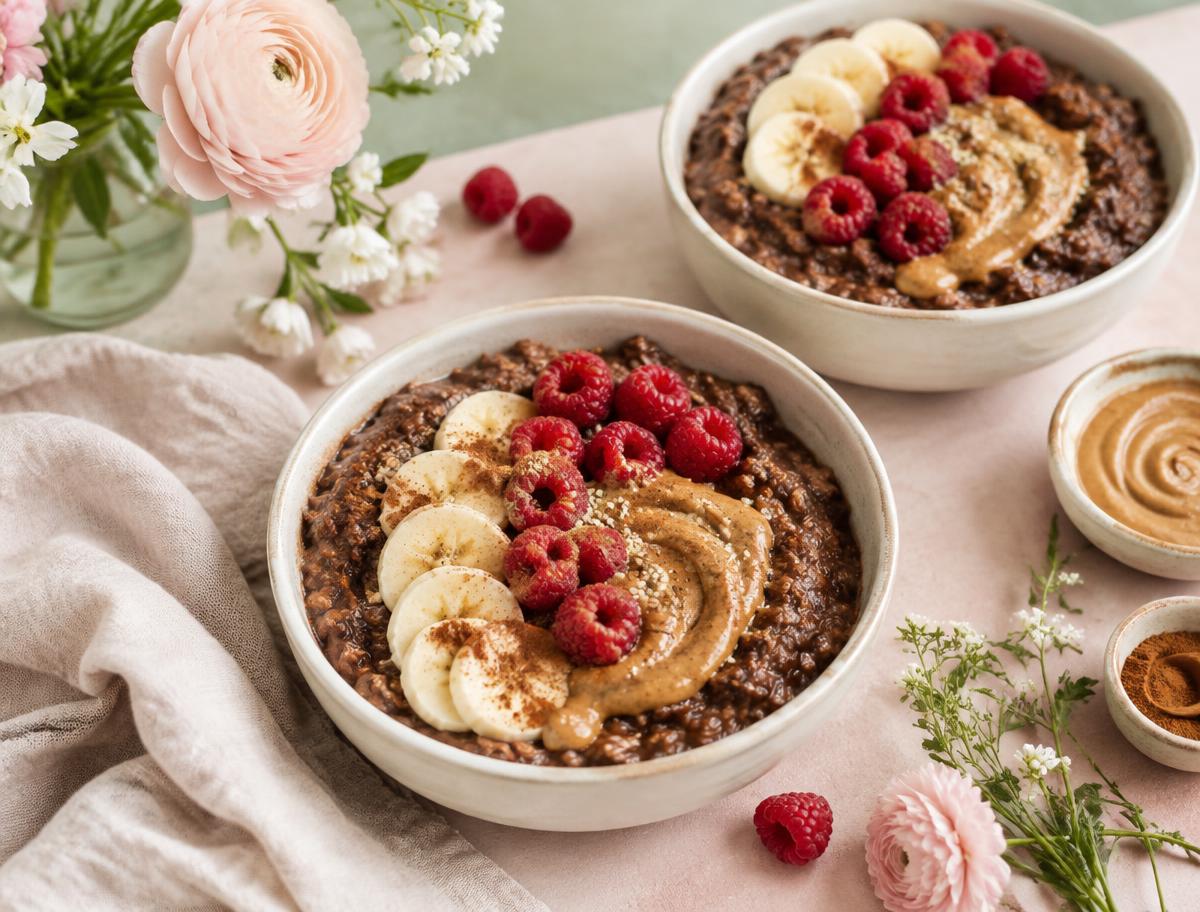
- Start with a protein-rich breakfast: eggs, Greek yogurt with berries or porridge with protein powder and nut butter. My breakfast recipes are made exactly for this.
- Keep a well-stocked pantry – good decisions are easier when the right ingredients are there.
- Plan meals roughly and factor in leftovers.
- Listen to your body: everyone tolerates carbohydrates differently. If you like, you can use a glucose sensor to observe how your body responds.
- Take the bird's-eye view: it's not the single day that counts, but the big picture. Every small step counts.
Your Next Step
Want to know where you stand? Calculate your body metrics – free and without sign-up. And if you recognize yourself in symptoms like cravings, tiredness after meals or stubborn belly fat, also read my article on insulin resistance symptoms in women.
If you'd like support: in my challenge “From Cravings to Control” and my course “The Weight Loss Key” we take exactly these steps together – with a clear plan instead of more pressure.
Sources
- Effects of Higher Dietary Protein and Fiber Intakes at Breakfast (PubMed, 2017)
- Cereal Fiber and Protein Content and Insulin Sensitivity (PubMed, 2011)
- Chilled Potatoes and Postprandial Glucose and Insulin (PubMed, 2019)
- Cooling of Cooked Rice and Resistant Starch (PubMed, 2015)
- Fiber and Protein Before Carbohydrates and Postprandial Glucose (PubMed, 2026)
Frequently asked questions
What can I eat with insulin resistance?
More than you might think: protein with every meal, plenty of vegetables and fiber, wisely chosen carbohydrates like legumes, oats and berries, plus good fats like olive oil, nuts and fatty fish. Nothing is forbidden – it's about combination and routine, not rules.
Do I have to give up carbs with insulin resistance?
No. Carbohydrates are not the enemy. What matters is quality, portion and combination: always pair them with protein, fat and fiber so your blood sugar stays calmer.
What is a good breakfast for insulin resistance?
A protein-rich breakfast, such as eggs, Greek yogurt with berries or porridge with protein powder and nut butter. Protein and fiber in the morning can help keep blood sugar steadier throughout the day.
Can nutrition improve insulin resistance?
Nutrition is one of the strongest levers: a fiber-rich, protein-focused diet built on real foods can support insulin sensitivity. It does not replace medical evaluation and care – discuss your values with your doctor.
This article is for general information and does not replace medical advice, diagnosis or treatment.
About the Author
Nadine SommerNadine Sommer supports women with insulin resistance and hormonal weight-loss barriers — with a holistic approach, without diet rules.
- Certified Health & Hormone Coach
- Studying Nutritional Science
- Supported Over 100 Women
Knowledge Is a Start. Your Journey Is Personal.
Would you like support rather than another plan? Let’s see what fits you and your everyday life.
Explore coaching